

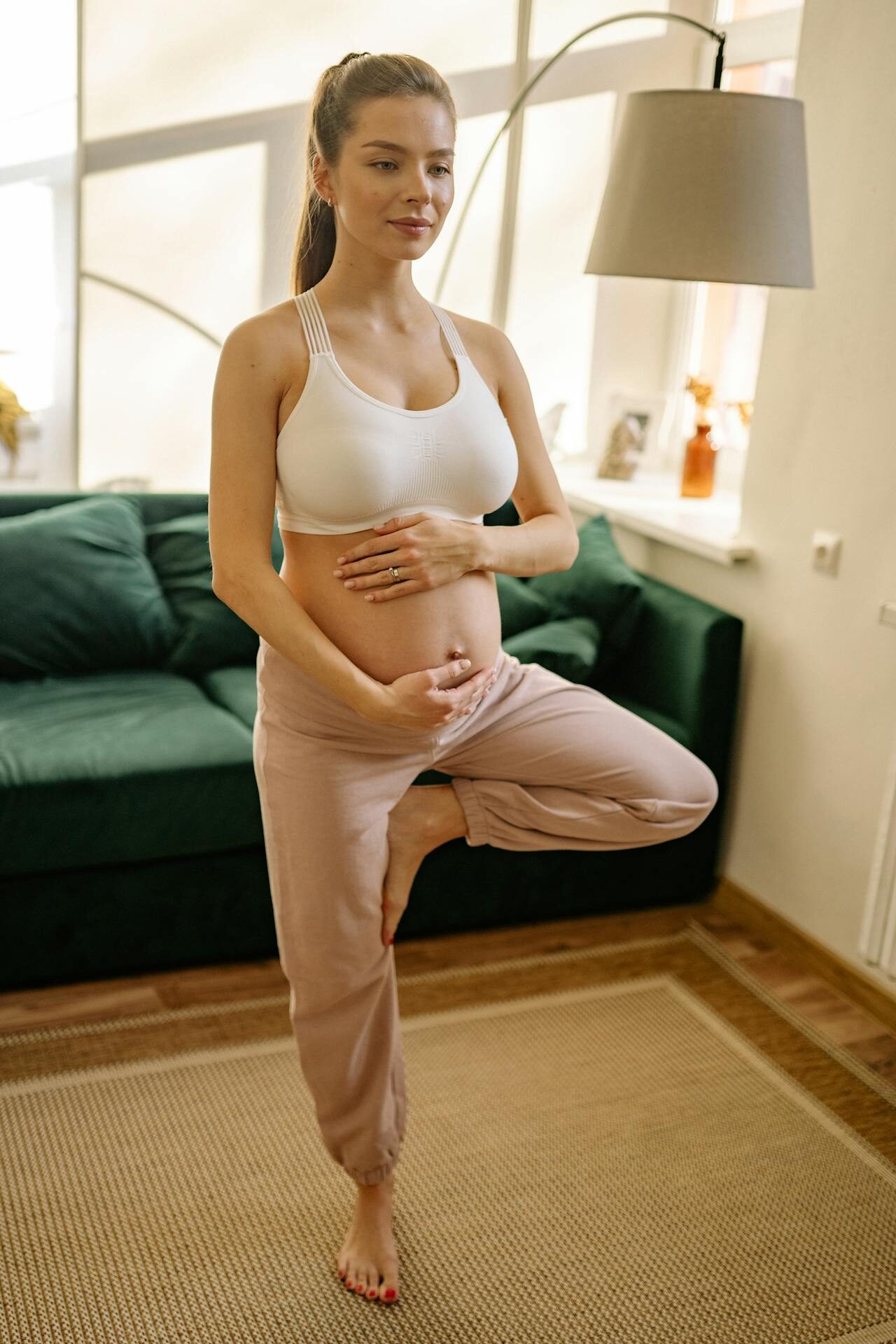
Your Body Is Changing.
Your Training Should Too.
|
EXPERIENCE 17+ Years with mothers |
FEATURED NY Women’s health expert |
RATING 4.9★ Google reviews |
SPECIALIST Pre/post-natal certified |
Certified pre/post-natal fitness specialist and diastasis recti expert. Guiding Bay Area mothers through safe, effective training during pregnancy and back to strength after delivery.
BOOK FREE PREGNANCY CONSULTYour Complete Pregnancy & Postpartum Journey
Certified pre/post-natal specialist guiding you from pregnancy through full recovery
Featured in NY Times: Women’s Health Expert
Bay Area’s trusted specialist in pregnancy fitness and postpartum recovery. As a certified pre/post-natal trainer and diastasis recti expert, I’ve guided hundreds of mothers through safe, effective training—from first trimester through full return to fitness.
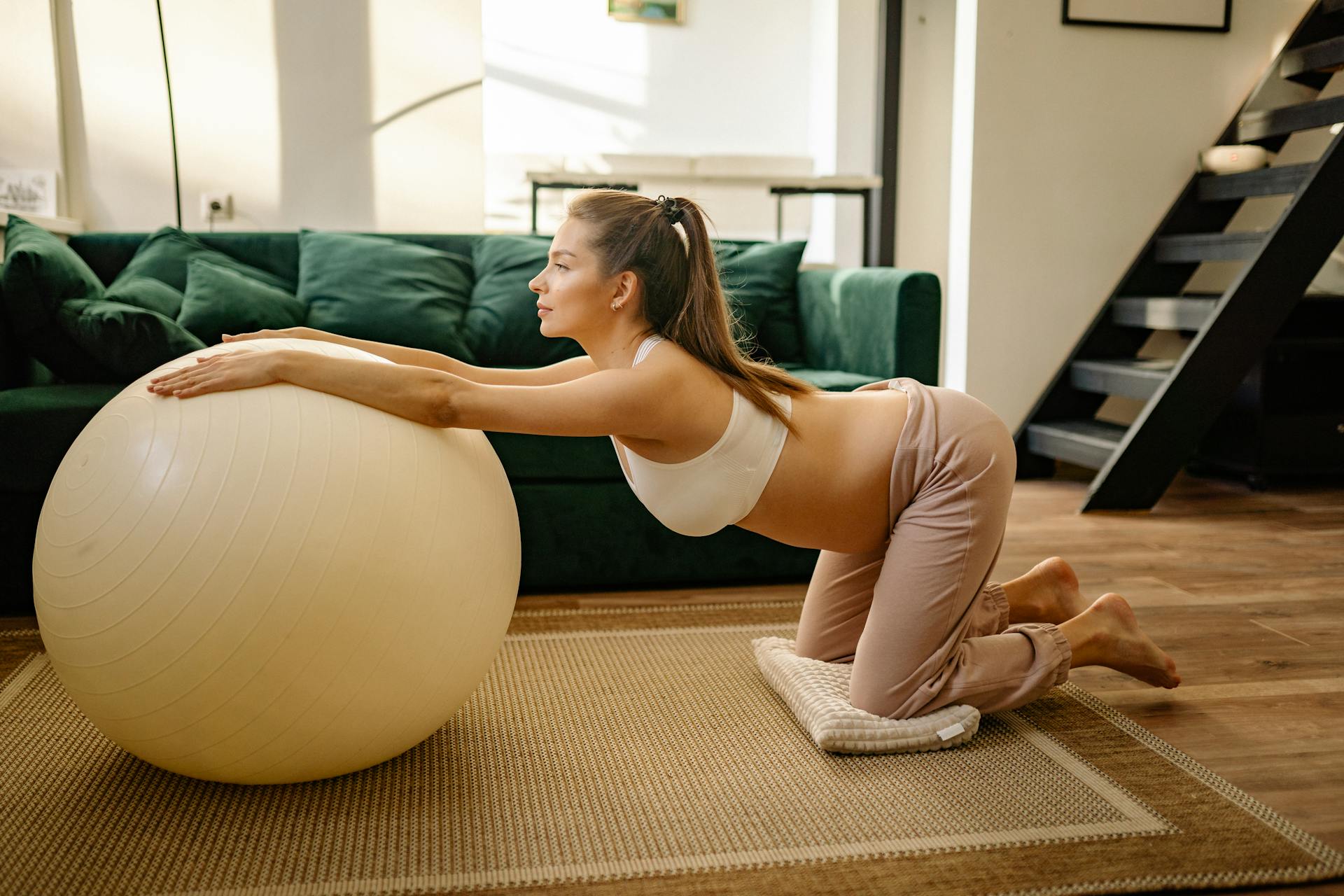
Holly helped me rebuild my core after two pregnancies. I finally feel strong again—no more back pain, and I can actually do planks without leaking!
Pregnancy & Postpartum Training FAQ
Common questions from expecting and new mothers about safe, effective training
When can I start training during pregnancy?
If you have a healthy, uncomplicated pregnancy and your provider approves exercise, you can train throughout all three trimesters. Many women continue their existing routines with smart modifications. If you’re new to exercise, we start conservatively and build from there. We always recommend getting clearance from your OB or midwife before we begin.
What exercises are safe during pregnancy?
Most exercises are safe with proper modification—including strength training, which is actually recommended during pregnancy. We focus on maintaining strength, preparing your body for delivery, and reducing common discomforts like back pain and sciatica. We modify exercises trimester-by-trimester based on how you’re feeling, your energy levels, and your changing body. Some movements we avoid; many we simply adapt.
Will exercise hurt my baby?
No—exercise during a healthy pregnancy is actually beneficial for both you and baby. Research shows it can reduce gestational diabetes risk, improve labor outcomes, and support healthy fetal development. As certified pre-natal specialists, we know exactly which exercises are safe and how to modify them as your pregnancy progresses. We always work within guidelines approved by ACOG (American College of Obstetricians and Gynecologists).
When can I start postpartum training?
Most providers clear patients for exercise at 6 weeks postpartum (8-12 weeks for C-sections). However, “cleared for exercise” doesn’t mean “cleared for everything.” We start with foundational core and pelvic floor work, then progressively add intensity. Some women come to me years after delivery still dealing with diastasis or pelvic floor issues—it’s never too late to address these properly.
What if I had my baby years ago but still have core issues?
It’s never too late. We work with women who are 5, 10, even 15+ years postpartum who never properly addressed their diastasis or pelvic floor dysfunction. The body responds to correct training at any point—you just need the right approach. Many of these women see significant improvement within 8-12 weeks of consistent, proper exercise.
How is postpartum training different from regular training?
Postpartum training requires understanding what your core and pelvic floor went through during pregnancy and delivery. We don’t just jump into crunches and planks—that can actually make diastasis worse. Instead, we rebuild from the inside out: restoring core function, addressing any separation, strengthening the pelvic floor, and only then progressing to more demanding exercises. It’s a specific protocol, not generic “get back in shape” training.
What is diastasis recti and how do I know if I have it?
Diastasis recti is the separation of the rectus abdominis (your “six-pack” muscles) that commonly occurs during pregnancy. Signs include a visible bulge or “coning” when you do a crunch motion, lower back pain, poor posture, and a weak core that doesn’t improve with regular ab exercises. We’re certified in diastasis recti assessment—we measure your separation, test your core function, and create a targeted protocol.
Can diastasis recti be fixed without surgery?
In most cases, yes. The majority of women see significant improvement with proper exercise protocols. The key is doing the RIGHT exercises—many common ab exercises (crunches, sit-ups, planks) can actually make diastasis worse. As certified specialists, we use evidence-based rehabilitation protocols that restore core function and reduce separation. Surgery is typically only needed in severe cases that don’t respond to conservative treatment.
How long does it take to heal diastasis recti?
Most women see measurable improvement within 8-12 weeks of consistent, correct exercise. However, full restoration depends on the severity of your separation, how long you’ve had it, and your consistency with the protocol. Some women heal faster; others need more time. The good news is that proper training almost always helps, regardless of how long it’s been since you gave birth.
Where do you train pregnant and postpartum clients?
We offer three options: our private studio in San Mateo (120 2nd Ave), in-home training throughout the Bay Area (San Mateo, Mountain View, Palo Alto, Menlo Park, and surrounding cities), or virtual sessions if you prefer training from home. Many pregnant clients appreciate in-home training as their due date approaches—no commute, train in your own space, and we bring all the equipment.
Do you work with my OB, midwife, or pelvic floor PT?
Absolutely. We collaborate with your healthcare providers to ensure your training aligns with any medical considerations. If you’re working with a pelvic floor physical therapist, we coordinate with them so your training supports (not conflicts with) their work. This team approach ensures the safest, most effective results.
What are your hours and how do I schedule?
Studio hours are Monday-Friday 6AM-8PM, Saturday 8AM-4PM, Sunday 8AM-3PM. We accommodate early morning sessions before work and evening sessions after. For in-home training, we have more flexibility based on our travel schedule. Book your free consultation through our calendar link—we’ll discuss your stage of pregnancy or postpartum recovery, your goals, and which training option fits best.

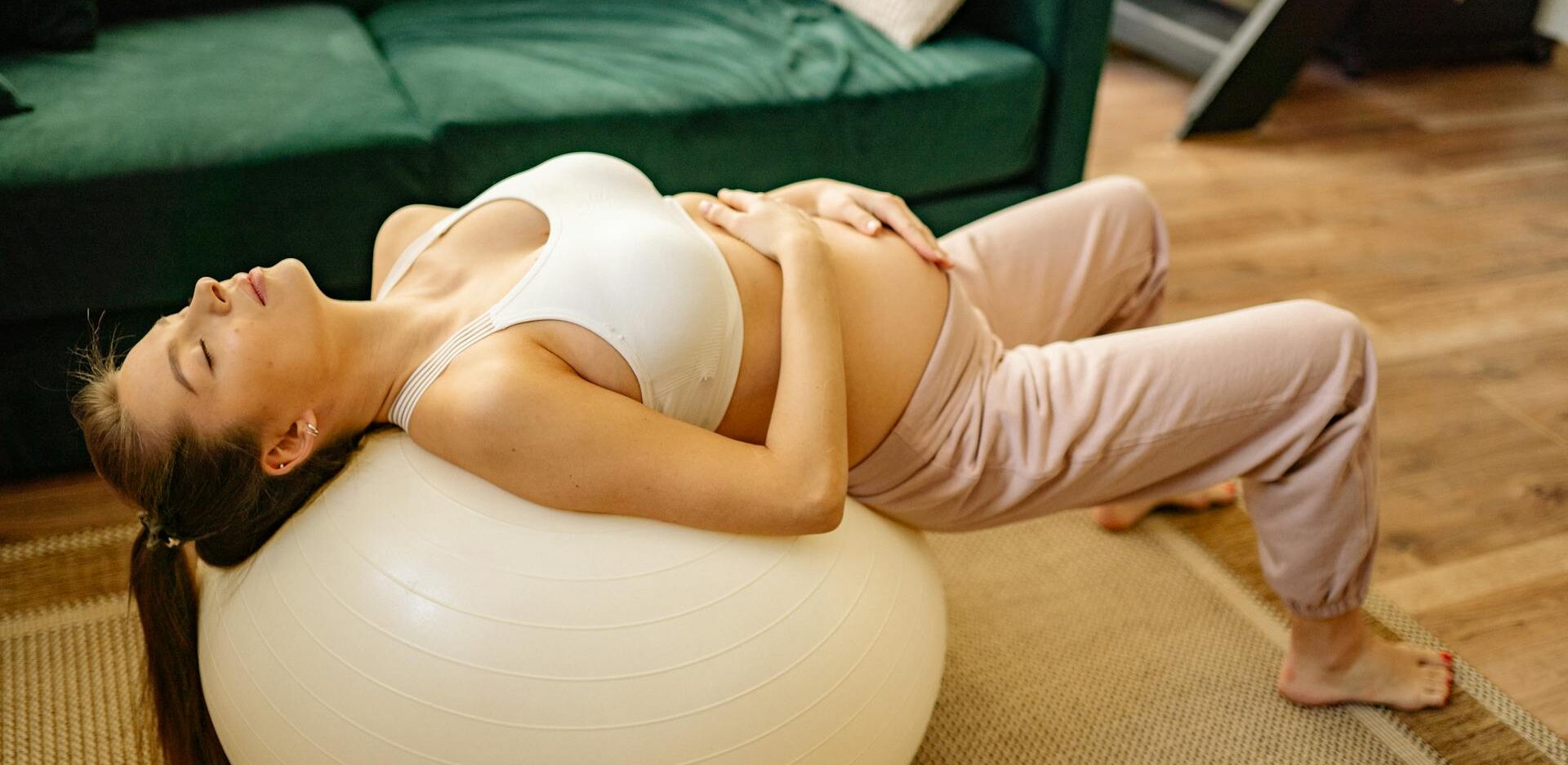
Serving the Bay Area
Train Where You’re Most Comfortable
Studio, in-home, or virtual—we meet you where you are in your pregnancy journey
In-Home Training Service Area
Also serving Burlingame • Foster City • San Carlos • Belmont • Los Altos • Atherton • Hillsborough • Los Gatos
💡 Why expecting mothers love in-home training:
- No commute as due date approaches
- Bathroom always nearby
- Train in comfortable clothes
- We bring all equipment
We’ll discuss your location, trimester, and which option fits best
Safe, Expert Training
For Every Stage
Certified pre/post-natal specialist and diastasis recti expert. Train safely through pregnancy and rebuild stronger after baby.
“Holly helped me rebuild my core after two pregnancies. I finally feel strong again—no more back pain, and I can actually do planks without leaking!”
— Jennifer L., San Mateo
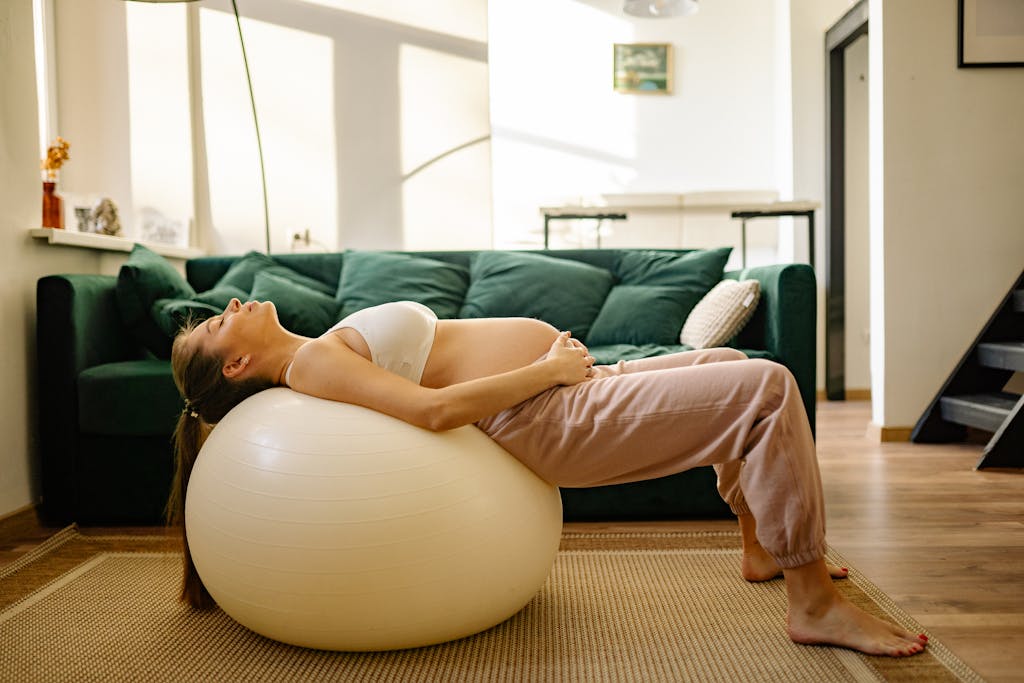
Pregnancy & Postpartum
Personal Training
Safe, expert-guided fitness for expecting and new mothers. Certified pre/post-natal specialist and diastasis recti expert. Serving San Mateo, Mountain View, and the Bay Area.
FEATURED EXPERT
RATING
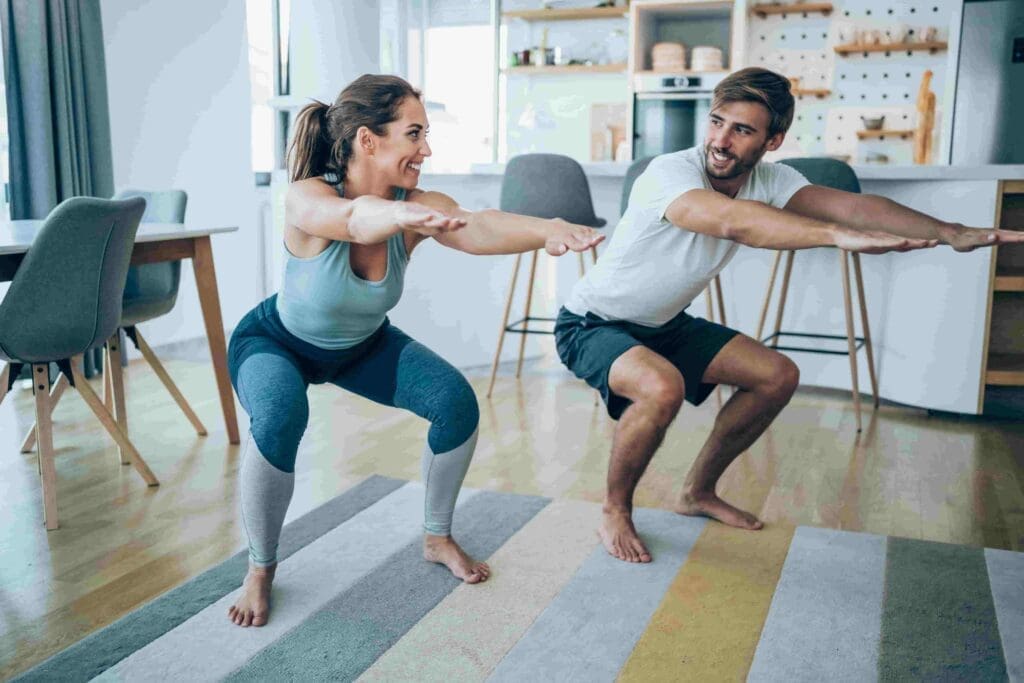
What You Can Expect
Certified Pre/Post-Natal Specialist
Safe, trimester-specific training designed for your changing body. We know exactly which exercises to modify and when.
Diastasis Recti & Pelvic Floor Expert
Proper assessment and evidence-based protocols to rebuild your core—whether you’re 6 weeks or 6 years postpartum.
Train Your Way
Studio in San Mateo, in-home across the Bay Area, or virtual sessions from anywhere. We bring the equipment to you.
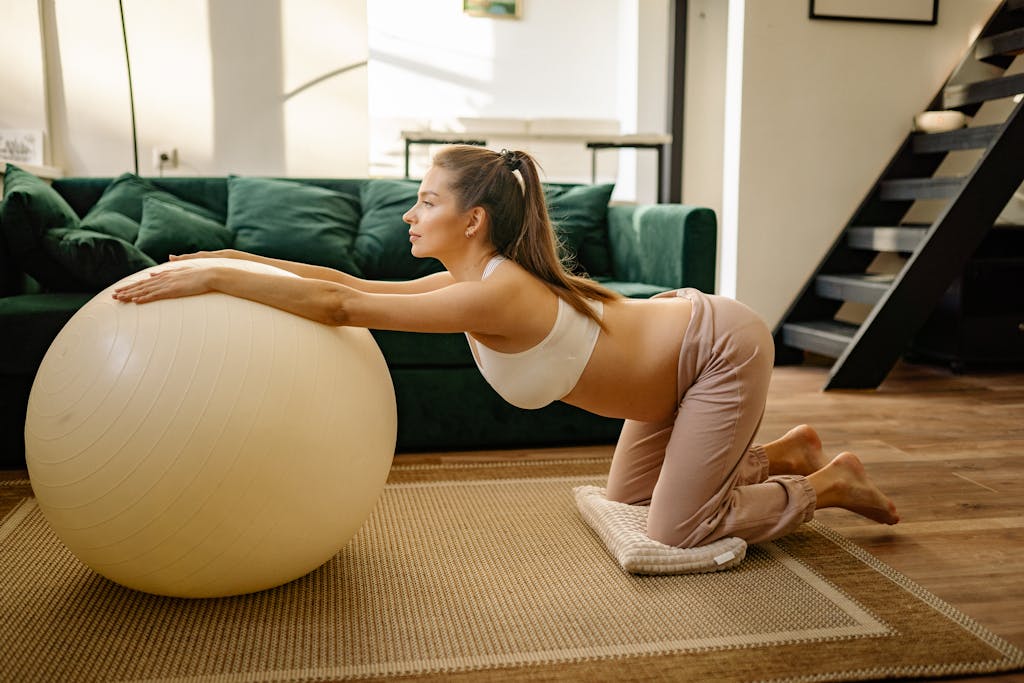
Your Pregnancy & Postpartum Journey
Expert guidance from pregnancy through full recovery
Pregnancy Training (All Trimesters)
Certified pregnancy specialist. Stay strong and prepare your body for delivery.
- ✓ Safe strength training each trimester
- ✓ Back pain and sciatica relief
- ✓ Pelvic floor preparation
Postpartum Recovery & Diastasis Recti
Certified diastasis recti specialist. Rebuild your core and pelvic floor safely.
- ✓ Diastasis recti assessment & repair
- ✓ Pelvic floor restoration
- ✓ C-section scar tissue recovery
Return to Full Fitness
Progressive programming. Graduate to real training when your body is ready.
- ✓ Safe return-to-running protocol
- ✓ Strength rebuilding progression
- ✓ Long-term fitness for busy moms
“Holly helped me rebuild my core after two pregnancies. I finally feel strong again—no more back pain!”
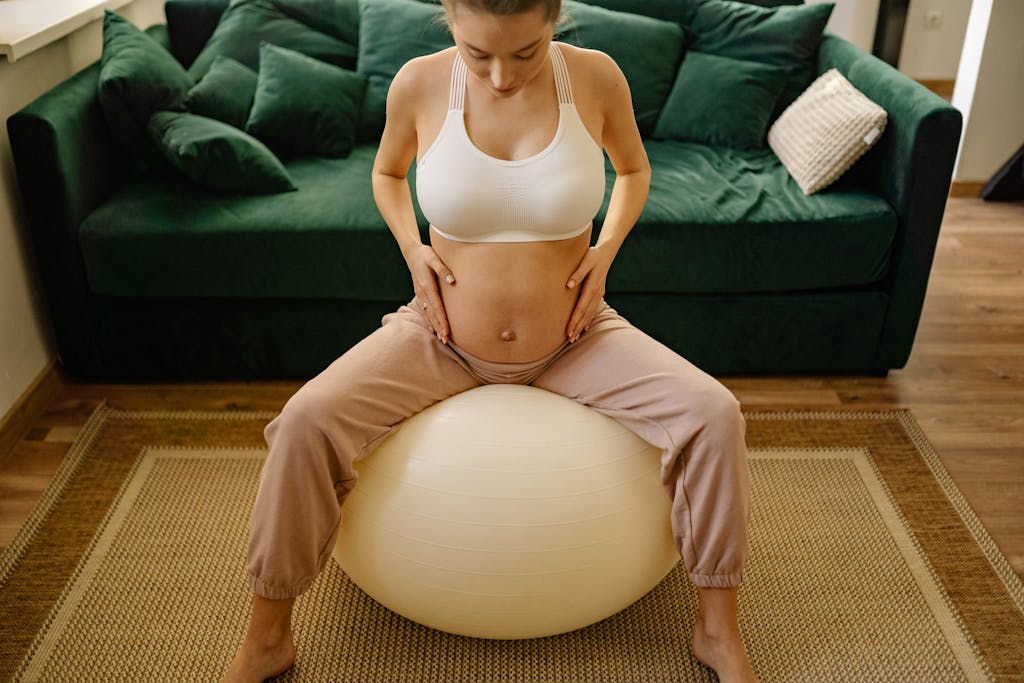
Frequently Asked Questions
Common questions from expecting and new mothers about safe, effective training
When can I start training during pregnancy?
If you have a healthy, uncomplicated pregnancy and your provider approves exercise, you can train throughout all three trimesters. Many women continue their existing routines with smart modifications. If you’re new to exercise, we start conservatively and build from there. We always recommend getting clearance from your OB or midwife before we begin.
What exercises are safe during pregnancy?
Most exercises are safe with proper modification—including strength training, which is actually recommended during pregnancy. We focus on maintaining strength, preparing your body for delivery, and reducing common discomforts like back pain and sciatica. We modify exercises trimester-by-trimester based on how you’re feeling, your energy levels, and your changing body.
Will exercise hurt my baby?
No—exercise during a healthy pregnancy is actually beneficial for both you and baby. Research shows it can reduce gestational diabetes risk, improve labor outcomes, and support healthy fetal development. As certified pre-natal specialists, we know exactly which exercises are safe and how to modify them as your pregnancy progresses. We always work within ACOG guidelines.
When can I start postpartum training?
Most providers clear patients for exercise at 6 weeks postpartum (8-12 weeks for C-sections). However, “cleared for exercise” doesn’t mean “cleared for everything.” We start with foundational core and pelvic floor work, then progressively add intensity. Some women come to us years after delivery still dealing with diastasis or pelvic floor issues—it’s never too late to address these properly.
What if I had my baby years ago but still have core issues?
It’s never too late. We work with women who are 5, 10, even 15+ years postpartum who never properly addressed their diastasis or pelvic floor dysfunction. The body responds to correct training at any point—you just need the right approach. Many of these women see significant improvement within 8-12 weeks of consistent, proper exercise.
How is postpartum training different from regular training?
Postpartum training requires understanding what your core and pelvic floor went through during pregnancy and delivery. We don’t just jump into crunches and planks—that can actually make diastasis worse. Instead, we rebuild from the inside out: restoring core function, addressing any separation, strengthening the pelvic floor, and only then progressing to more demanding exercises.
What is diastasis recti and how do I know if I have it?
Diastasis recti is the separation of the rectus abdominis (your “six-pack” muscles) that commonly occurs during pregnancy. Signs include a visible bulge or “coning” when you do a crunch motion, lower back pain, poor posture, and a weak core that doesn’t improve with regular ab exercises. We’re certified in diastasis recti assessment—we measure your separation, test your core function, and create a targeted protocol.
Can diastasis recti be fixed without surgery?
In most cases, yes. The majority of women see significant improvement with proper exercise protocols. The key is doing the RIGHT exercises—many common ab exercises (crunches, sit-ups, planks) can actually make diastasis worse. As certified specialists, we use evidence-based rehabilitation protocols that restore core function and reduce separation. Surgery is typically only needed in severe cases.
How long does it take to heal diastasis recti?
Most women see measurable improvement within 8-12 weeks of consistent, correct exercise. However, full restoration depends on the severity of your separation, how long you’ve had it, and your consistency with the protocol. Some women heal faster; others need more time. The good news is that proper training almost always helps, regardless of how long it’s been since you gave birth.
Where do you train pregnant and postpartum clients?
We offer three options: our private studio in San Mateo (120 2nd Ave), in-home training throughout the Bay Area (San Mateo, Mountain View, Palo Alto, Menlo Park, and surrounding cities), or virtual sessions if you prefer training from home. Many pregnant clients appreciate in-home training as their due date approaches—no commute, train in your own space, and we bring all the equipment.
Do you work with my OB, midwife, or pelvic floor PT?
Absolutely. We collaborate with your healthcare providers to ensure your training aligns with any medical considerations. If you’re working with a pelvic floor physical therapist, we coordinate with them so your training supports (not conflicts with) their work. This team approach ensures the safest, most effective results.
What are your hours and how do I schedule?
Studio hours are Monday-Friday 6AM-8PM, Saturday 8AM-4PM, Sunday 8AM-3PM. We accommodate early morning sessions before work and evening sessions after. For in-home training, we have more flexibility based on our travel schedule. Book your free consultation through our calendar link—we’ll discuss your stage of pregnancy or postpartum recovery, your goals, and which training option fits best.
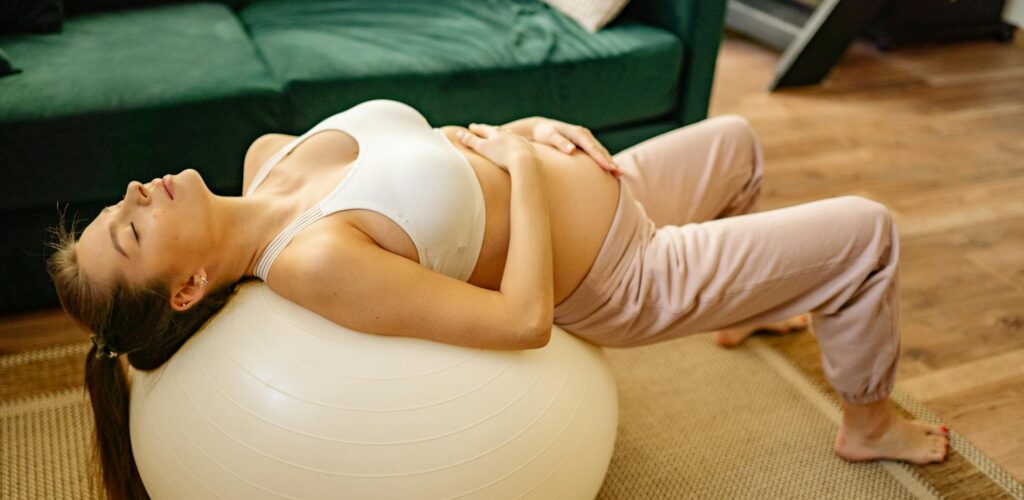
Serving the Bay Area
Train Where You’re Most Comfortable
Studio, in-home, or virtual—we meet you where you are
Private Studio
120 2nd Ave, San Mateo
In-Home Training
We come to you • All equipment
Virtual Sessions
Train from anywhere
In-Home Service Area
Also: Burlingame, Foster City, San Carlos, Belmont, Los Altos, Atherton
💡 Why moms love in-home:
- No commute as due date approaches
- Bathroom always nearby
- We bring all equipment
Safe, Expert Training
For Every Stage
Certified pre/post-natal specialist and diastasis recti expert
“Holly helped me rebuild my core after two pregnancies. I finally feel strong again—no more back pain!”
— Jennifer L., San Mateo
15-minute call • No obligation
Holly Roser Fitness
Email Us
holly@hollyroser.com
info@hollyroser.com
call Us
650-307-5576
STUDIO
120 2nd Ave
San Mateo, CA 94402
CITIES
Bay Area
Santa Barbara
San Diego
Denver
Nashville